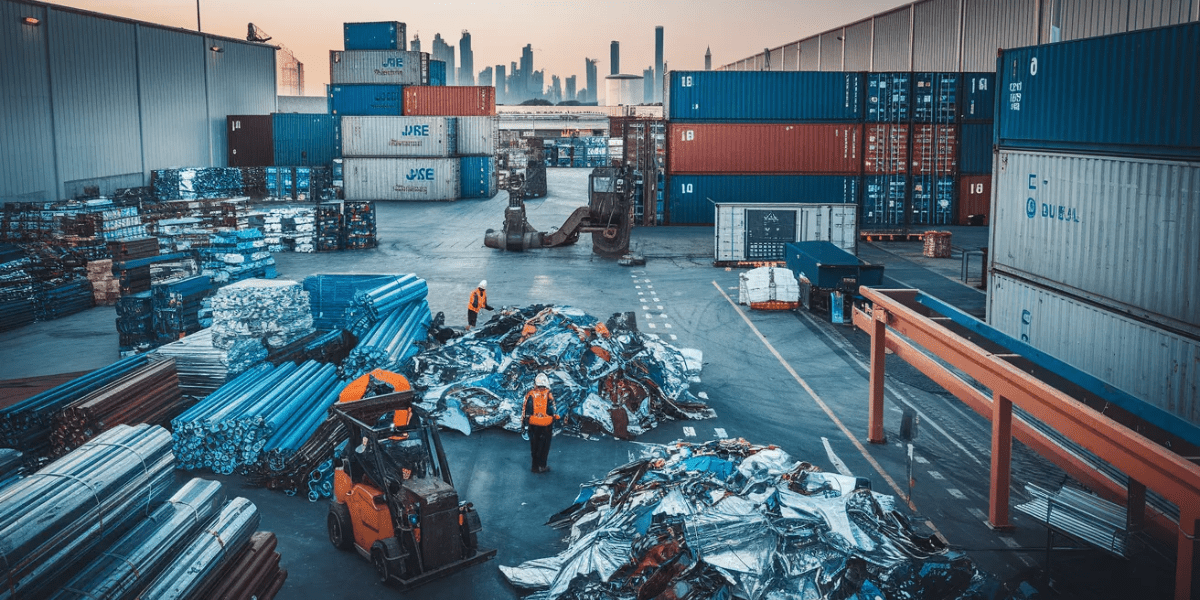
The UAE occupies a significant position in the global scrap metal trade. A large and active construction industry generates consistent volumes of ferrous and non-ferrous scrap, complemented by industrial operations, a vast vehicle fleet, and ongoing demolition activity across major cities. Export demand from steel mills and metal processors across South Asia and the Far East provides the primary commercial channel for UAE-based scrap traders. For investors and entrepreneurs, the UAE recycled metal market is projected to grow from USD 1.7 million in 2023 to USD 2.3 million by 2030 at a 4.5% CAGR, making this one of the region’s most attractive long-term opportunities.
If you are planning to start a scrap business in Dubai or anywhere across the UAE, this guide covers the license costs, requirements, and the step-by-step process to get your operations running legally and efficiently.
Why Start a Scrap Business in the UAE?
Starting a scrap or metal trading business in the UAE is driven by strong fundamentals that make it financially compelling for both new and experienced investors.
The scrap recycling industry in Dubai grew by an average of 5.4% per year since 2019, recovering sharply from a pandemic-era dip and continuing to expand. The construction, automotive, and shipbuilding sectors consistently generate large volumes of recyclable metal, ensuring a reliable supply. On the demand side, global metal prices for copper and aluminum remain high, offering lucrative profit margins for businesses that control their grading and sourcing effectively. Dubai’s ports, particularly Jebel Ali, one of the world’s largest container ports, provide scrap traders with affordable, streamlined export routes to India, China, Pakistan, Turkey, and Africa.
There is also a strong environmental angle. Metal recycling uses 56 to 92% less energy than virgin production, and UAE sustainability regulations are increasingly incentivizing responsible waste handling and recycling businesses.
Types of Scrap Business Models in the UAE
Before applying for a license, it is essential to define your business model clearly. Your model shapes your licensing requirements, facility needs, capital investment, and operational approvals. The 4 main models are:
- Scrap trading (import/export) involves buying scrap from suppliers, construction sites, industrial facilities, demolition projects, and reselling or exporting without significant physical processing. This is the most common entry model.
- Scrap collection means actively managing scrap pickup from clients through scheduled or on-demand services, securing repeat supply and long-term contracts.
- Scrap recycling and processing involve converting collected scrap into secondary raw materials. This requires an industrial license and a processing facility in addition to a trading license.
- Warehouse and distribution focuses on storing, sorting, and distributing scrap materials for onward sale or export.
Key Authorities and Legal Framework
Understanding the scrap business requirements in the UAE starts with knowing which authorities are involved:
- The Department of Economy and Tourism (DET) or the relevant free zone authority issues the commercial or industrial trade license
- Dubai Municipality (DM) provides mandatory pre-approval for scrap and metal waste trading activity codes. For example, activity code 4669.00 is used for Wholesale of Waste and Scrap, while 4669.75 is used for Scrap and Metal Waste Trading.
- Environmental authorities oversee waste handling compliance, storage standards, and transportation permits
- All scrap metal operations in Dubai are governed by Dubai’s Law No. 18 of 2024, which regulates trading, processing, transportation, and waste handling activities
Documents Required for a Scrap Business License
Preparing the correct documentation in advance accelerates approvals and avoids resubmission delays. You will generally need:
- Passport copies of all company directors, shareholders, and local sponsors
- Valid Emirates ID
- Trade name reservation certificate
- An initial approval certificate from the DET or free zone authority
- Tenancy contract for warehouse or storage facility (registered through Ejari for the mainland)
- Dubai Municipality pre-approval for relevant activity codes
- Memorandum of Association (for LLC structures)
Step-by-Step Process to Start a Scrap Business in the UAE
Step 1: Define Your Business Model and Activity
Identify whether you will focus on trading, collecting, processing, or exporting scrap. This determines the correct license type: a commercial trading license for buying and selling, or an industrial license if recycling or processing is involved. Choosing the right activity code at this stage avoids costly amendments later.
Step 2: Choose Your Jurisdiction
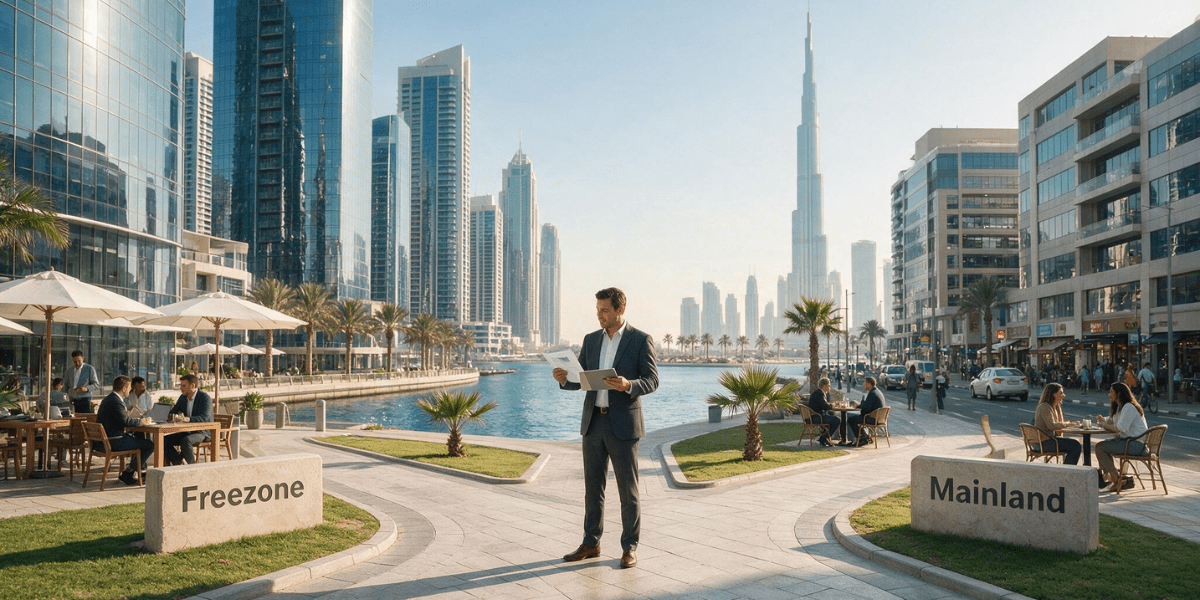
A Mainland setup offers you the chance to trade freely across the UAE, bid on government contracts, and operate a yard or warehouse with local clients. This is the preferred route for businesses with physical collection and storage operations.
Free zone structures, such as JAFZA or Hamriyah Free Zone near Sharjah, offer 100% foreign ownership, zero paid-up capital requirements, and customs duty suspension on re-exported goods. They are particularly well-suited for businesses focused on international exports rather than local UAE trade.
If you are looking for a cost-effective free zone entry point with strong logistics access and flexible licensing for scrap and general trading, SNT & Partners offers Ajman Freezone company setup services as a strategically located option worth considering.
Step 3: Reserve Your Trade Name
Register your business name with the relevant authority. The name must comply with UAE naming regulations; it cannot contain offensive language, references to religion, or names of well-known organizations. Submit three trade name options in order of preference.
Step 4: Obtain Dubai Municipality Pre-Approval
Before your trade license is issued for scrap and metal waste trading, Dubai Municipality pre-approval is required for activity codes 4669.00 and 4669.75. This step cannot be skipped and must be completed before submitting the final license application.
Step 5: Secure Your Facility
A warehouse, yard, or industrial plot is mandatory for scrap businesses to store and process materials. Location approval from the relevant authority is required before the final license is issued. For mainland operations, the facility must comply with environmental and safety standards, including proper handling areas, storage systems, and waste disposal procedures.
Step 6: Apply for Your Trade License
Submit your trade license application to the DET or your chosen free zone authority, along with all required documents, municipality approvals, and facility details. Pay the applicable fees and complete any required inspections.
Step 7: Obtain Additional Permits for Import and Export
If you plan to trade internationally, you will need import and export permits, including Dubai Municipality approval and Ministry of Economy certificates for steel scrap. Operations cannot import or export scrap without this authorization.
Step 8: Register with MOHRE and Obtain an Establishment Card
If hiring staff, register with the Ministry of Human Resources and Emiratization to obtain your establishment card, which allows you to sponsor employee visas and process work permits.
Step 9: Ongoing Compliance After Setup
Running a scrap business in the UAE comes with strict ongoing compliance obligations. The UAE enforces regulations on eco-friendly waste disposal and recycling, and businesses must ensure proper handling of metals, chemicals, and industrial waste to avoid pollution and penalties. Vehicles transporting scrap must carry Dubai Municipality-approved GPS tracking. Warehouse and operational licenses must be renewed annually with mandatory facility inspections.
For investors seeking a prestigious, internationally recognized free zone structure to hold or manage a scrap trading entity as part of a broader portfolio, SNT & Partners’ ADGM company set up provides a world-class regulatory environment within Abu Dhabi’s Global Market framework, ideal for businesses building a broader investment or holding structure in the UAE.
Scrap Business License Cost
The scrap business license cost varies depending on your chosen jurisdiction, business model, and scale of operations. Here is arealistic overview:
- In free zones, a scrap metal trading license can be obtained starting from AED 12,500 to AED 14,900 for a virtual office or entry-level setup
- On the Dubai mainland, a commercial scrap trading license ranges from AED 21,395 to AED 26,000, with a virtual office setup included
- Warehouse costs in the UAE mainland range from AED 80,000 to AED 250,000, depending on the square footage required
- For small operations, total startup costs can range from AED 15,000 to AED 50,000, excluding warehouse and equipment costs
Final Thoughts
Starting a scrap business in Dubai offers a genuine and well-supported commercial opportunity, provided you enter it with the correct license, the right facility, and a clear understanding of the requirements under Dubai’s regulatory framework. From Dubai Municipality pre-approvals and environmental compliance to warehouse setup and export permits, each element must be in place before operations begin.
Those who plan thoroughly and structure their business correctly from day one position themselves to benefit from one of the region’s most consistently growing industries.
SNT & Partners helps entrepreneurs and investors navigate the scrap business setup process across the UAE, from trade licensing and municipality approvals to visa processing and banking assistance. Get in touch today for a free consultation!